
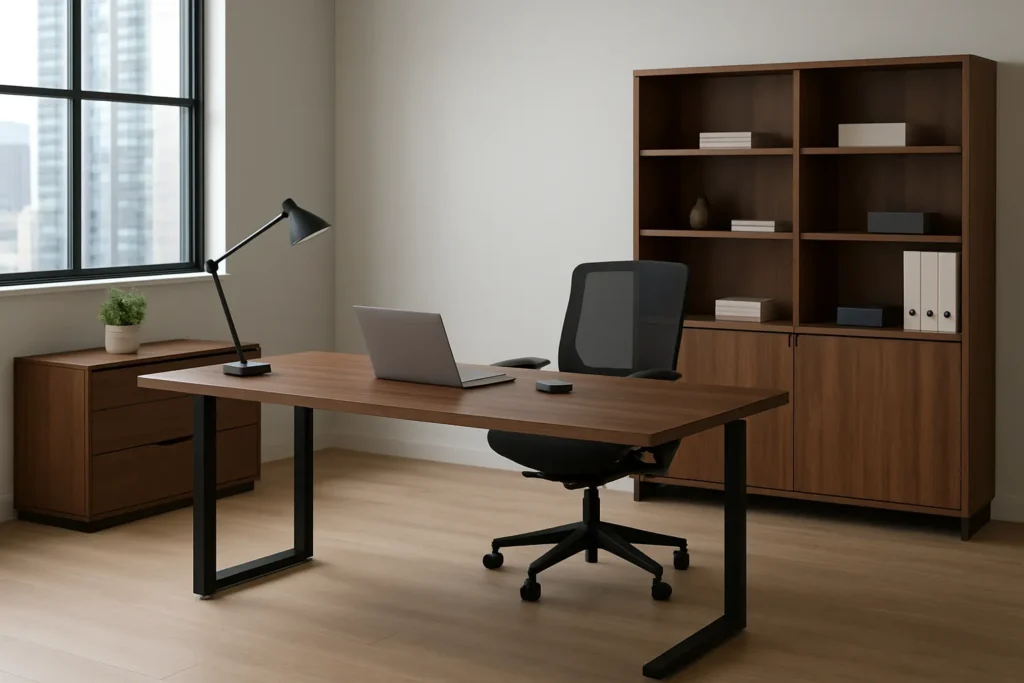
Custom Furniture and Smart Manufacturing: Key for Modern Offices
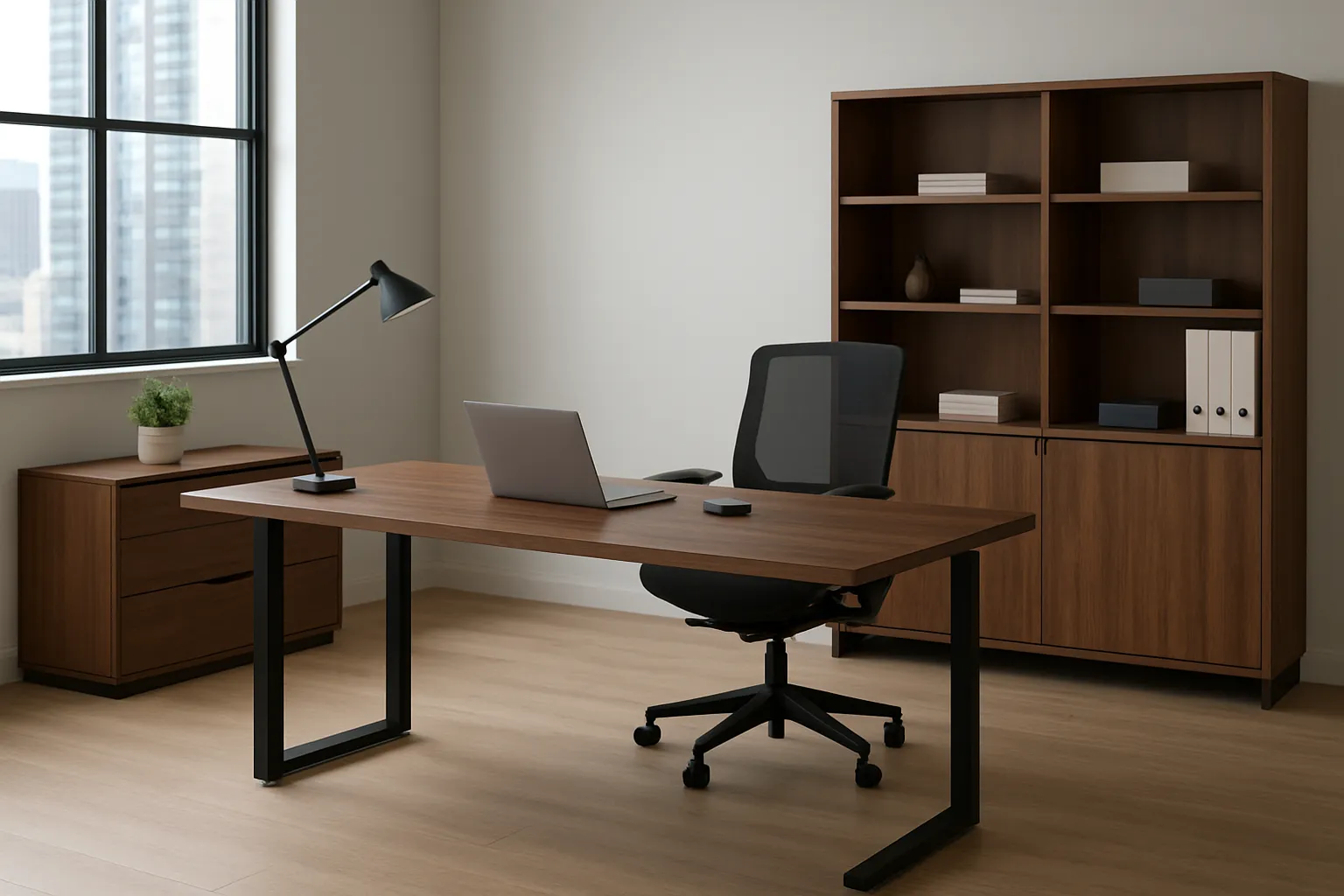
In today’s ever-evolving work landscape, the demand for customized solutions has experienced a notable surge, leading to an increased interest in custom furniture. This category of furniture represents tailored pieces designed specifically to meet the unique needs, preferences, and dimensions of various workspaces. Unlike standard, off-the-shelf options, custom furniture empowers businesses to cultivate a distinctive atmosphere that reflects their brand identity while enhancing overall functionality.
At the same time, smart manufacturing has emerged as a game-changing force across multiple industries, including furniture production. This innovative approach incorporates advanced technologies such as automation, artificial intelligence, and data analytics to streamline manufacturing processes. The synergy between custom furniture and smart manufacturing is proving to be invaluable in contemporary offices. It enables the creation of personalized, high-quality furnishings that align with the rapidly evolving demands of the workplace.
Benefits of Custom Furniture in Modern Offices
Enhanced Aesthetics and Branding
Custom furniture plays a crucial role in shaping a company’s brand image. By selecting unique designs, materials, and color schemes, businesses can cultivate an environment that resonates with their corporate identity. This aesthetic appeal not only impresses clients and visitors but also fosters a sense of pride among employees, contributing positively to workplace culture.
Improved Employee Comfort and Productivity
Comfort is vital for boosting employee productivity. Custom furniture can be designed with ergonomic principles in mind, ensuring that workstations promote proper posture and reduce strain. In my experience, when employees feel comfortable, they are more likely to be engaged and productive. This leads to improved overall performance for the organization.
Flexibility and Adaptability to Space
Modern offices often require flexible solutions that can adapt to changing needs. Custom furniture can be tailored to fit specific layouts, accommodating a variety of functions—whether it’s collaborative spaces, private offices, or lounge areas. This adaptability ensures that businesses can maximize their available space and create an efficient work environment.
Smart Manufacturing: Revolutionizing Furniture Production
Overview of Smart Manufacturing Technologies
Smart manufacturing encompasses a wide array of technologies that enhance production efficiency and quality. These include the Internet of Things (IoT), robotics, and machine learning. By integrating these technologies, manufacturers can optimize processes, reduce waste, and improve the overall quality of custom furniture.
Benefits of Automation in Furniture Production
Automation is a cornerstone of smart manufacturing, allowing for faster production times and reduced labor costs. Automated systems can handle repetitive tasks with precision, enabling manufacturers to concentrate on complex design elements and customization. This results in a more efficient workflow, facilitating quicker turnaround times on custom orders.
Sustainability and Resource Efficiency
Sustainability is becoming an increasingly important concern in the furniture industry. Smart manufacturing promotes resource efficiency by minimizing waste through precise material usage and recycling practices. By utilizing technologies that monitor resource consumption, manufacturers can significantly reduce their environmental impact while still producing high-quality custom furniture.
Use Cases of Custom Furniture in Smart Manufacturing
Collaborative Workspaces
As businesses increasingly embrace teamwork and collaboration, custom furniture solutions are essential for creating collaborative workspaces. Smart manufacturing enables the production of modular furniture that can be easily reconfigured, facilitating teamwork while maintaining a cohesive design.
Ergonomic Solutions for Remote Work
The rise of remote work has emphasized the need for ergonomic furniture solutions that cater specifically to home office environments. Custom furniture designed for remote work can enhance comfort and productivity, ensuring employees have access to high-quality workstations regardless of their location.
Multi-functional Furniture Designs
Modern offices often require furniture that serves multiple purposes. Smart manufacturing allows for the creation of multi-functional designs, such as desks that convert into meeting tables or seating that incorporates storage. These versatile solutions optimize space and enhance functionality in the workplace.
Comparing Traditional vs. Smart Manufacturing for Custom Furniture
Cost Implications
Traditional manufacturing methods often involve higher labor costs and longer lead times due to manual processes. In contrast, smart manufacturing leverages automation and advanced technologies, which can reduce production costs and offer competitive pricing on custom furniture.
Production Speed and Scalability
Smart manufacturing significantly enhances production speed. With automated processes, manufacturers can quickly ramp up production to meet demand, ensuring that businesses receive their custom furniture in a timely manner. This scalability is particularly beneficial for companies experiencing growth or seasonal fluctuations.
Quality Control and Consistency
Quality control is crucial in furniture production. Smart manufacturing employs advanced monitoring systems that ensure consistency and quality throughout the production process. This level of precision is often difficult to achieve in traditional manufacturing, where human error can lead to variations in quality.
Sourcing Custom Furniture through Smart Manufacturing
Identifying Reliable Suppliers
When sourcing custom furniture, it’s vital to partner with reliable suppliers who utilize smart manufacturing techniques. Businesses should conduct thorough research, checking for certifications, customer reviews, and case studies that demonstrate a supplier’s capabilities in delivering quality custom solutions.
Evaluating Manufacturing Capabilities
Understanding a supplier’s manufacturing capabilities is essential. Companies should inquire about the technologies and processes used in production, as well as their ability to accommodate custom designs. A supplier with advanced smart manufacturing systems is likely to offer greater flexibility and efficiency.
Importance of Local vs. Global Sourcing
Deciding between local and global suppliers can significantly impact lead times, costs, and communication. Local suppliers may provide quicker turnaround times and easier collaboration, while global suppliers might offer a broader range of materials and designs. Businesses should weigh these factors based on their specific needs and priorities.
Implementation Strategies for Custom Furniture Solutions
Planning and Design Considerations
Before implementing custom furniture solutions, businesses should engage in thorough planning and design. This involves assessing the workspace layout, identifying specific needs, and collaborating with designers to create tailored solutions that align with the company’s vision.
Integration with Existing Office Layouts
Custom furniture should seamlessly integrate with existing office layouts. This requires careful consideration of dimensions, styles, and functionalities. Working with skilled designers and manufacturers can help ensure that new pieces complement the overall aesthetic and functionality of the workspace.
Timeline and Budgeting for Projects
Establishing a clear timeline and budget is crucial for successful implementation. Businesses should account for design, production, and installation phases, ensuring that all stakeholders are aligned. Transparent communication with suppliers will help manage expectations and keep the project on track.
Frequently Asked Questions (FAQs)
What is the typical lead time for custom furniture?
Lead times for custom furniture can vary based on complexity and supplier capabilities, but generally range from a few weeks to several months. It’s essential to discuss timelines with suppliers during the planning phase.
How does smart manufacturing impact pricing?
Smart manufacturing can lead to reduced pricing due to lower labor costs and increased efficiency. However, the final cost will also depend on the complexity of the custom design and materials used.
Can custom furniture be easily modified in the future?
Yes, one of the advantages of custom furniture produced through smart manufacturing is the ability to modify designs in the future. Many manufacturers can accommodate changes based on evolving needs, ensuring that the furniture remains functional and relevant over time.
Conclusion
The integration of custom furniture and smart manufacturing represents a significant advancement in creating modern office environments. By harnessing the benefits of tailored designs and innovative manufacturing processes, businesses can enhance their workspaces, improve employee productivity, and establish a strong brand identity. As the demand for customized solutions continues to grow, embracing smart manufacturing will be essential for companies looking to stay ahead in today’s competitive landscape. For more information on custom furniture trends, check out this industry reference from AZoM.